
Why a Roofing Materials Comparison Is the First Step Every Homeowner Should Take
Making a smart roofing materials comparison before you replace your roof can save you thousands of dollars — and decades of headaches.
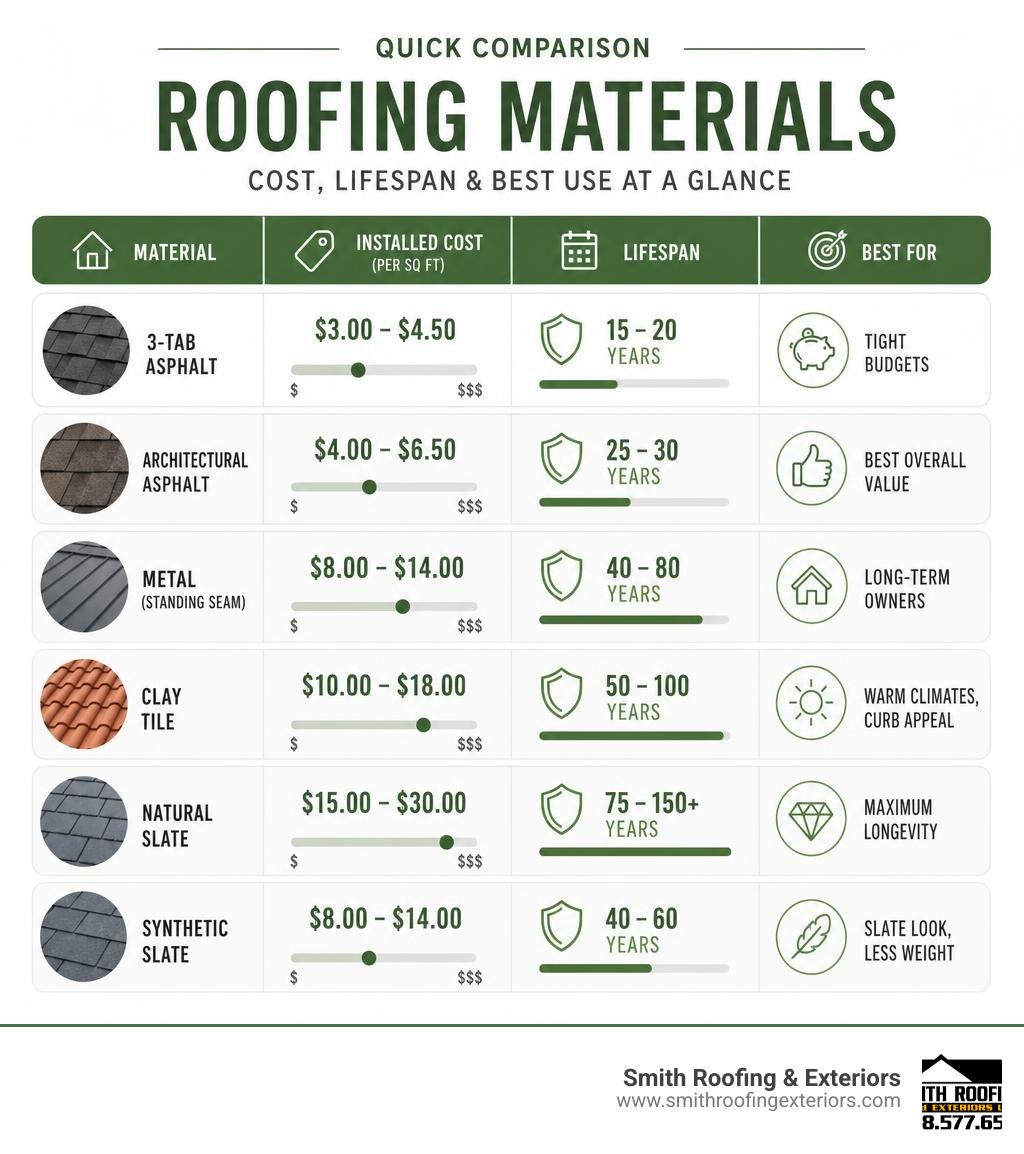
Here’s a quick look at the most common options:
| Material | Installed Cost (per sq ft) | Lifespan | Best For |
|---|---|---|---|
| 3-Tab Asphalt | $3.00 – $4.50 | 15 – 20 years | Tight budgets |
| Architectural Asphalt | $4.00 – $6.50 | 25 – 30 years | Best overall value |
| Metal (Standing Seam) | $8.00 – $14.00 | 40 – 80 years | Long-term owners |
| Clay Tile | $10.00 – $18.00 | 50 – 100 years | Warm climates, curb appeal |
| Natural Slate | $15.00 – $30.00 | 75 – 150+ years | Maximum longevity |
| Synthetic Slate | $8.00 – $14.00 | 40 – 60 years | Slate look, less weight |
The short answer: For most Wisconsin homeowners, architectural asphalt shingles offer the best balance of cost, durability, and weather performance. If you plan to stay in your home for 20+ years, standing seam metal is worth the higher upfront cost.
Your roof is one of the biggest investments you’ll ever make in your home. It protects everything underneath it — your family, your insulation, your walls, your floors. Get it wrong, and water damage travels fast.
The problem? Walk into any roofing conversation and you’re immediately hit with a wall of options: three-tab shingles, architectural shingles, standing seam metal, clay tile, synthetic slate. Each one comes with its own price tag, lifespan, weight, and set of tradeoffs.
Most homeowners don’t know where to start. And that’s completely understandable — the roofing industry isn’t exactly known for making things simple.
This guide breaks it all down in plain language. You’ll learn exactly how common roofing materials stack up against each other on cost, lifespan, climate performance, and long-term value — so you can make a confident decision for your home.
I’m Matt Smith, owner of Smith Roofing & Exteriors, and helping Wisconsin homeowners navigate this exact roofing materials comparison is something I do every day. I started this company because I believe every homeowner deserves straight answers — not a sales pitch — so let’s get into it.
The Ultimate Roofing Materials Comparison for Homeowners
When you begin looking at a roofing materials comparison, it is easy to get overwhelmed by the sheer volume of technical terms. However, choosing the right material for your home in Southeastern Wisconsin—whether you live in Fort Atkinson, Lake Mills, Jefferson, or down by Lake Geneva—comes down to understanding a few core structural rules.
First and foremost is your roof’s pitch, or slope. The pitch of your roof dictates which materials you can legally and practically install. Roof pitch is measured as a ratio of vertical rise to horizontal run. For example, a “4:12” pitch means the roof rises 4 inches for every 12 inches it runs horizontally.
If your home has a low-slope roof (a pitch less than 2:12), standard materials like asphalt shingles or wood shakes are out of the question. Shingles rely on gravity and a steep slope to shed water. If installed on a flat or low-slope roof, water will pool, seep under the shingles, and rot your roof deck. For low-slope areas, we must install sealed membrane systems like TPO or EPDM. If you want a comprehensive look at how these systems stack up, check out this Side-by-Side Roofing Material Analysis.
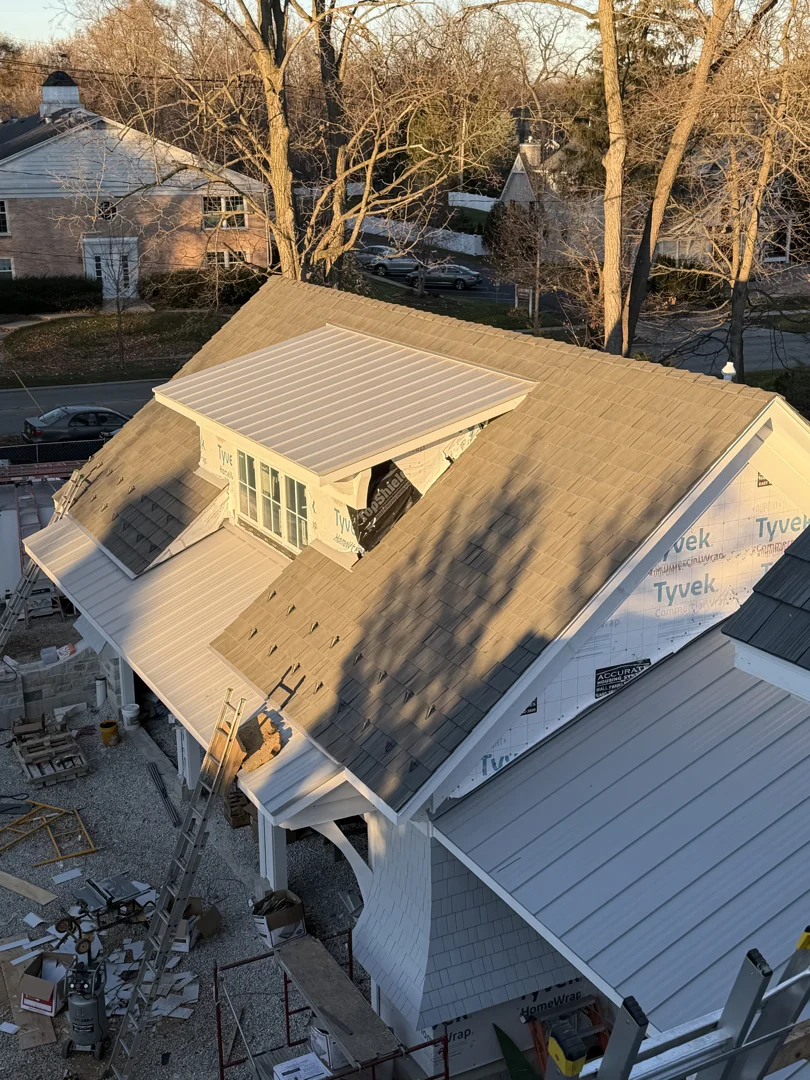
Another critical structural component is the underlayment. Think of underlayment as your roof’s insurance policy. Even the best shingles or metal panels can let a tiny amount of water through during a severe Wisconsin windstorm. Traditional organic felt underlayment (often called tar paper) has been the industry standard for decades, but it tends to degrade, tear easily during installation, and rot over time.
That is why we highly recommend synthetic underlayment. Made from woven polymers, synthetic underlayment is incredibly tough, highly resistant to tearing, and provides a much more reliable secondary barrier against moisture. When you are investing in a new roof, upgrading your underlayment is one of the smartest decisions you can make to protect your decking from unexpected leaks.
Asphalt Shingles: The Baseline for Roofing Materials Comparison
Asphalt shingles are the undisputed king of residential roofing, covering roughly 75% of homes across the United States. They are popular for a reason: they are affordable, easy to install, and look great on almost any architectural style. However, not all asphalt shingles are created equal.
The cheapest option on the market is the traditional three-tab asphalt shingle. These shingles are completely flat and feature cutouts that make them look like three separate pieces. While they are highly economical upfront, they are thin, prone to wind damage, and typically only last 15 to 20 years. In fact, many professional roofers have stopped recommending three-tab shingles altogether because the minor upfront savings do not justify losing up to a decade of service life.
Architectural shingles (also known as dimensional shingles) are a massive upgrade. They are manufactured with multiple layers of asphalt laminated together, giving them a rich, textured, three-dimensional look that mimics wood shakes. More importantly, they are much thicker and heavier than three-tab shingles. This added thickness translates directly into superior wind resistance—often rated to withstand winds up to 110 to 130 mph—and a much longer lifespan of 25 to 30 years.
For homeowners looking to maximize their protection, we often recommend Class 4 impact-resistant architectural shingles. These shingles undergo rigorous testing (including dropping a two-inch steel ball from a height of 20 feet) to ensure they can withstand severe hail without cracking. When evaluating the benefits of asphalt shingles, architectural options consistently deliver the best overall lifespan-to-cost ratio for homeowners in Southeastern Wisconsin.
Metal Roofing: The Longevity Leader in Roofing Materials Comparison
If you want a roof that you will likely never have to replace again, metal is the clear winner. Metal roofing has surged in popularity, now accounting for nearly 18% of the residential market. It is highly durable, incredibly wind-resistant, and can easily last 40 to 80 years.
There are two primary styles of metal roofing: standing seam and metal shingles. Standing seam metal roofing features vertical panels that run from the ridge of the roof down to the eaves. The panels are joined together by raised seams that conceal the fasteners underneath. Because the fasteners are completely protected from the elements, standing seam roofs have virtually zero risk of leaks developing around screws. Metal shingles, on the other hand, are designed to mimic the appearance of traditional slate, wood shakes, or tile while providing the strength and longevity of steel or aluminum.
To fully understand your options, we recommend checking out our complete guide to metal roofing. One of the biggest advantages of metal is its energy efficiency. Metal roofs have high solar reflectance, meaning they reflect a massive portion of the sun’s heat away from your home rather than absorbing it into your attic. This can reduce your summer cooling costs by up to 25%.
Additionally, metal roofs are incredible at shedding snow. In cold climates like ours in Jefferson, Walworth, and Burlington, heavy snow loads can put immense stress on a home’s structure. With a metal roof, snow simply slides off harmless more easily, reducing the risk of structural strain and ice damming. If you are debating the upfront investment, reading about Why It’s Worth Investing in Metal Roofing for Your Home can help clarify the long-term financial benefits, while our overview of What Are the Top Benefits of Installing a Metal Roof highlights how it protects your equity.
Premium Alternatives: Slate, Clay Tile, and Synthetic Materials
For homeowners seeking a truly high-end aesthetic, premium materials like natural slate, clay tile, and concrete tile are unmatched in beauty and lifespan. Natural slate can easily last over a century, and clay tiles often last 50 to 100 years. However, these materials come with two major hurdles: extreme cost and extreme weight.
Natural slate and clay tiles are incredibly heavy, weighing anywhere from 8 to 15 pounds per square foot (compared to just 2 to 3 pounds for asphalt). Before you can install these materials, a structural engineer must evaluate your home’s framing to ensure it can support the “dead load” of the roof. If your framing needs reinforcement, it can easily add $5,000 to $15,000 to your total project cost. You can view a detailed breakdown of these structural ratings and weight classes in this Roofing Materials Comparison Chart.
This weight and cost barrier is why synthetic roofing materials have exploded in popularity. Synthetic slate and synthetic wood shakes (made from advanced polymers and recycled rubber) offer the exact look of natural stone or hand-split cedar at a fraction of the weight and cost. Brands like DaVinci and Brava produce synthetic shingles that require zero structural reinforcement, boast Class A fire ratings, and offer 50-year lifespans. They give you the luxury look without the luxury structural headaches.
Climate Performance and Energy Efficiency
Living in Southeastern Wisconsin means our roofs must endure a brutal, year-round weather gauntlet. From the humid, hot summer days in Delavan and Elkhorn to the sub-zero winter temperatures and heavy snowstorms in Edgerton and Lake Mills, your roofing material must be engineered to handle extreme temperature swings.
The constant freezing and thawing of water is one of the most destructive forces a roof can face. When snow melts on your roof and runs down to the colder eaves, it refreezes, forming a barrier known as an ice dam. This ice dam forces water back up under your shingles, leading to rotten decking, ruined insulation, and interior water damage.
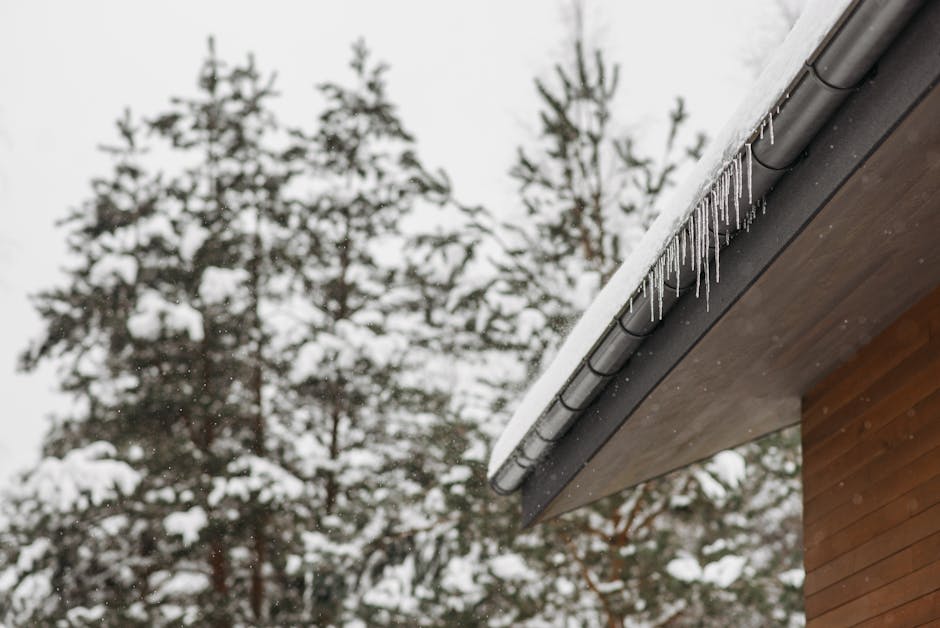
To combat this, your roofing system must have proper attic ventilation and a robust ice and water shield membrane installed along the eaves. Furthermore, choosing the right material can help mitigate these climate risks. For instance, metal roofing sheds snow quickly, preventing ice dams from forming in the first place.
If you want to keep your home comfortable year-round while lowering your utility bills, understanding energy-efficient roofing options is essential. “Cool roofs” are designed to reflect more sunlight and absorb less heat than a standard roof. Highly reflective white roofs can reflect 60% to 90% of sunlight, while even darker “cool-colored” roofs can reflect 30% to 60%. This is measured by two key metrics: solar reflectance (the ability to reflect solar energy) and thermal emittance (the ability to radiate absorbed heat away). By choosing materials with high ratings in both categories, you can significantly lower your home’s cooling demand.
Cost vs. Long-Term Value in Roof Replacement
When planning a roof replacement, it is easy to focus entirely on the upfront price tag. However, the cheapest roof upfront is often the most expensive over time. To find the true value of a roofing material, you must calculate its “cost-per-year” of service life.
For example, a standard three-tab asphalt shingle roof might cost $7,500 to install but only last 15 years, resulting in a cost of $500 per year. An architectural shingle roof might cost $9,500 but last 25 to 30 years, lowering your cost to around $316 to $380 per year. A standing seam metal roof might cost $20,000 upfront, but with a 60-year lifespan, its cost-per-year drops to just $333—all while saving you money on energy bills and completely eliminating the hassle of another roof replacement in your lifetime.
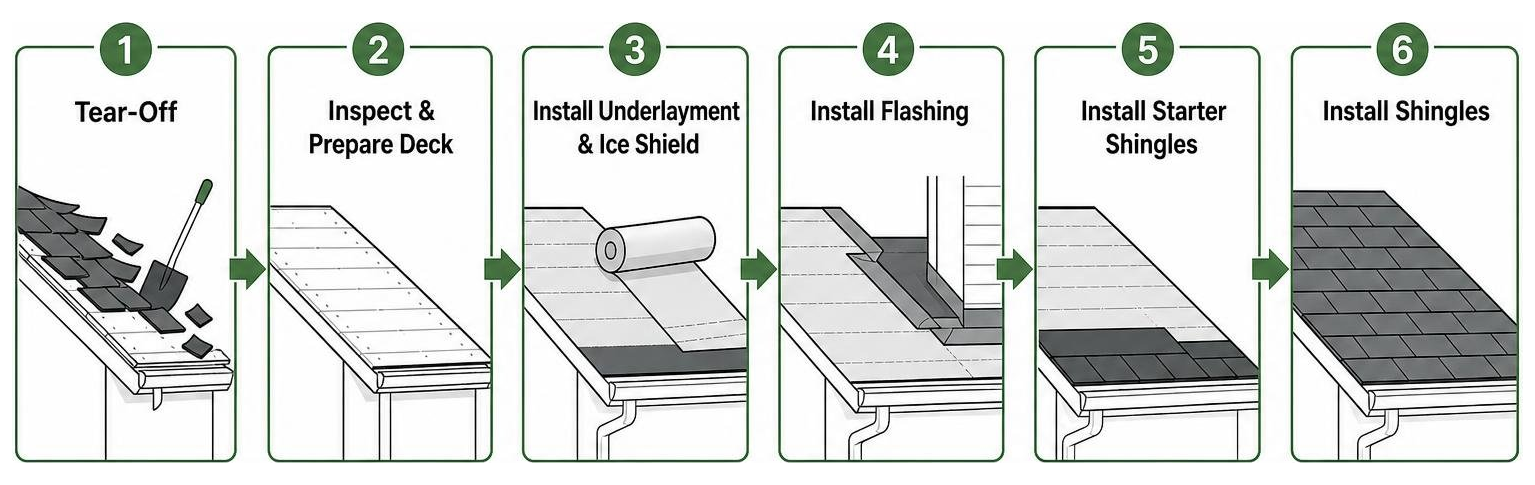
There are several critical roof replacement cost factors to keep in mind when budgeting:
- Tear-Off Labor: Removing and disposing of your old roof typically adds $1.00 to $2.00 per square foot (about 25% of the total project cost). While some building codes allow you to install a second layer of shingles over an existing layer to save on tear-off costs, we strongly advise against this. An overlay prevents us from inspecting your roof deck for hidden rot, voids your manufacturer’s warranty, and cuts the lifespan of your new shingles by up to 50%.
- Home Insurance Premiums: Your choice of roofing material can have a major impact on your monthly insurance costs. Many insurance companies offer substantial premium discounts to homeowners who install Class 4 impact-resistant shingles or metal roofing, especially in areas prone to severe wind and hail.
- Resale Value: A new, durable roof is a massive selling point. If you plan to sell your home in the next decade, installing a high-quality architectural shingle or metal roof can dramatically boost your home’s curb appeal and help you recoup a large percentage of your investment during the sale.
If you are currently budgeting for a replacement, we recommend reading about The Real Price of Replacing Your Asphalt Shingle Roof to avoid any unexpected surprises when the estimates arrive.
Frequently Asked Questions About Roofing Materials
Choosing a roof is a big decision, and it is completely normal to have questions. Here are some of the most common questions we hear from homeowners in our Southeastern Wisconsin service areas.
What is the cheapest roofing material to install?
Three-tab asphalt shingles are the cheapest roofing material to install upfront, with total project costs often starting around $7,500 for a standard-sized home. However, they come with significant long-term tradeoffs. They have a shorter lifespan, lower wind resistance, and are more prone to damage.
If you choose a budget-friendly option, you will likely face higher ongoing maintenance costs. To help you budget for potential upkeep, check out our shingle roof repair costs guide. For most homeowners, spending a little extra upfront on architectural shingles is well worth the added peace of mind and durability.
How do I know if I need a roof repair or a full replacement?
Determining whether to repair or replace depends on three main factors: the age of your roof, the extent of the damage, and whether you have active leaks. If your roof is under 15 years old and only has localized damage—such as a few shingles damaged by a fallen branch—a simple repair is usually the best course of action.
However, if your roof is over 20 years old, has active leaks in multiple locations, or shows widespread signs of wear (like curling shingles, bald spots where granules have washed away, or sagging areas), a full replacement is necessary. For a deeper look at different materials and how they wear, you can read the Types of Roofing Materials Guide.
Do heavy roofing materials require structural reinforcement?
Yes. Premium materials like natural slate, clay tile, and concrete tile are incredibly heavy, weighing up to three to four times more than standard asphalt shingles.
Before you can safely install these materials, you must hire a structural engineer to calculate your home’s “dead load” capacity. If your existing rafters or trusses cannot support the weight, your contractor will need to install additional framing support to prevent your roof from sagging or collapsing. If you want the look of slate or tile without the heavy structural reinforcement costs, synthetic slate or composite shingles are an excellent alternative.
Conclusion
At the end of the day, a roofing materials comparison is only as good as the team installing the product. Even the most expensive, high-end standing seam metal roof or premium architectural shingle will fail prematurely if it is installed incorrectly. In fact, industry data shows that up to 40% of all roofing failures are caused by poor installation, not material defects.
That is why working with an experienced, licensed, and highly reputable local contractor is the single best investment you can make in your home. At Smith Roofing & Exteriors, we take pride in serving our neighbors throughout Southeastern Wisconsin—including Fort Atkinson, Lake Mills, Jefferson, Burlington, Delavan, Elkhorn, Lake Geneva, Walworth, and Edgerton.
We combine our deep local knowledge of Wisconsin’s harsh winter climate with superior materials, transparent pricing, and 24/7 emergency services to ensure your home remains safe, dry, and beautiful for decades to come.
Ready to take the next step? Schedule a professional roofing consultation with our team today, and let’s build a roof that lasts!


